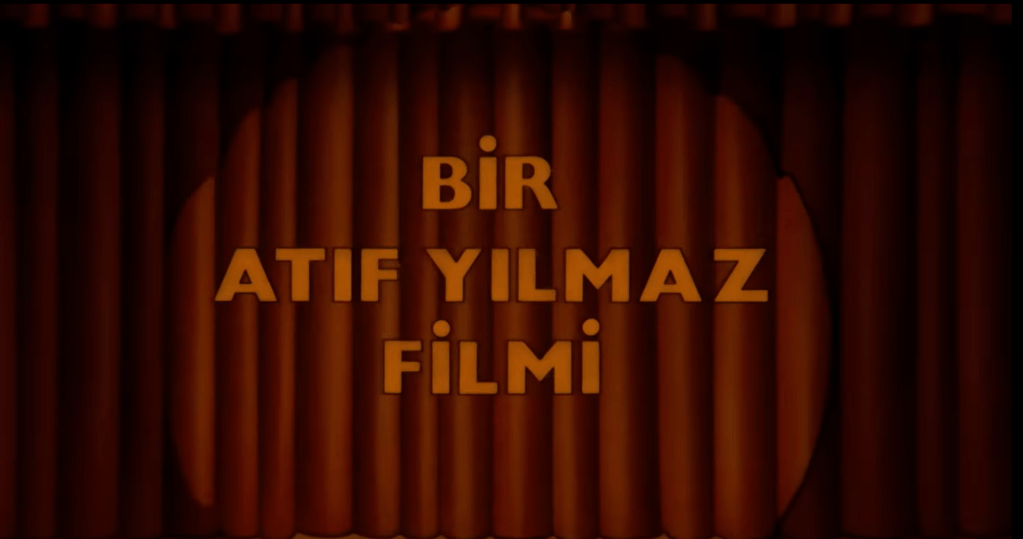
Dışlananlar, ezilenler ve susturulanlar.
Belki de ekranda görmeye, duymaya, hissetmeye en çok ihtiyacını duyduklarımızı görüyoruz onda. Her filmini henüz izleyememiş olsam da, izlediklerimle en sevdiğim yönetmenlerden birisi olarak yerleşti aklıma.
Kadının Türk sinemasındaki yeri, toplum genelinde konumlandırılmasından çok da uzakta olmayan bir tarafta kalıyor genele baktığımızda. Kadınlar ve norm dışılar, bu kadar görmezden gelinirken, içerisinde bulunduğu dönem de göz önünde bulundurulduğunda, Atıf Yılmaz bir devrimci oluyor sinemasıyla.
Bir sinefil olarak tanımlanamayacak kadar sinemadan uzak, umutsuz bir vaka olmaktan da ilgiyle kurtulacak bir sinemasever olarak yazıyorum bugün. İster istemez uzaklaştığımız Türk sinemasına sevgimi kazandıran bu yönetmeni de, kural dışıyı işleme cesaretini göstermesiyle seviyorum.
Gerçeği söylemek gerekirse kendisi hakkında çok şey bilmem, doğrusu vardır veya yanlışı. Ama ben özellikle birkaç filminin bana hissettirdiklerini konuşmak istiyorum. “Asiye nasıl kurtulur?”un radikalliğinden, “Kadının adı yok”un kadınsılığından, “Hayallerim, aşkım ve sen”in farklılığından bahsetmek istiyorum.
Her alanda aradığımız gibi, sinema da kendimizi veya kendimizden olmayanı görebilmemiz için en önemli araçlardan birisi. Ardı ardına kesilmeyen aynı hikayeler, aynı erkek karakterlerin aynı erkek mücadeleleri düşünülen değişimi yapamıyor bazen. İnsan, insan oldukça görmek istedi, isteyecek farklıyı, yeniyi. Özellikle değişimin en önemli ayaklarından birisi olan sinemayı da, işte bu gibi örnekler geliştirecek, toplumu değiştirdiği gibi.
Sanırım en sevdiğim filmlerden bir tanesi “Asiye nasıl kurtulur?”. Bir genelev ve çalışanları, belki de hepimizin korkup kaçtığı, konusunun bile yalnızca ayıplandığı bir dünya gerçeği. Aslında bir tiyatro metni olan bu filmi, Atıf Yılmaz’dan izlemek çok memnun etti beni. Müzikal olması, aslında bu kadar ağır bir hikayeyi yumuşatarak koyuyor önümüze. Doğallığıyla eğlenirken, empati yapmayı öğreniyoruz sırayla. En çok yargılananlar konuşuyor ekranda ve yumuşatılanda bile cız eden içimizle bakıyoruz olanlara. Belki de en büyük etkiyi de 1986’da işlenebilen bu cesur hikayenin şimdiki sinemayla kıyaslanmasıyla alıyoruz.
“Kadının adı yok”, benim hafızamda kitabıyla kalmış bir eser. Yeterince olgun olmadığım bir dönemde başladığım ama devamını getiremediğim bu kitabı, ekranda izleyebilmek oldukça hoşuma gitti. Bu kitabın bir de bir kadın yönetmen tarafından kayda alındığı bir filmi de izlemeyi oldukça isterim tabi. Kadın odaklı film bulmanın bu derece zorlayıcılığı altında, dönem özelliklerine de bakarsak, farklıdır, devrimcidir ama en önemlisi her kadın kendinden birer parça bulabilir burada.
Uzun uzadıya gitmek yerine favori üçlümden sonuncuya geliyorum. “Hayallerim, aşkım ve sen”
Konusuna dahi bakmadan izlemeye başladığım bir filmdi kız kardeşimle beraber. İzlediğim Türk filmlerinden çok farklı olmasının yanında, içimi heyecanlandırdı her karakter geçişi. Türkan Şoray, güzelliğinin yanında yeteneğini de bolca konuşturur ve ağzı açık izler seyirci de işte. Öyle bir film. Hayalle gerçeğin karıştığı, idealin bulanıklaştığı bu filmde, Beyoğlu’nu seversin, karakterleri seversin, hayalleri seversin. Farklı hikayelere olan aşkımızı da Atıf Yılmaz, bu filmle besler işte.
İster istemez çalıştı kafam her sahnede. Beynimde düşünceler, kalbimde hisler, dudaklarımda kelimeler birikti izlediğim her filminde. Eksiği, yanlışı çıkar belki ama bizim sinemamızda, bizi ve bizden farklıyı görmeyi seviyorum. İşte bu yüzden seviyorum Atıf Yılmaz sinemasını. Beklentimin olmadığı yerlerden hisler çıkartıyor, geçmiş ve gelecek sinemasına umudumu artırıyor böylece.
The excluded, the oppressed and the silenced
Perhaps in his work we encounter those we most need to see, hear, and feel on screen. Even though I haven’t yet been able to watch all of his films, the ones I have seen have firmly placed him in my mind as one of my favorite directors. When we look at Turkish cinema in general, the position of women is not very different from how they are positioned in society at large. At a time when women and those outside social norms were so widely ignored, and considering the period he worked in, Atıf Yılmaz becomes a revolutionary through his cinema.
I write today as a film lover—not quite close enough to cinema to call myself a cinephile, yet interested enough not to be a hopeless case. I love this director because he restored my affection for Turkish cinema, something many of us have inevitably grown distant from, and because he had the courage to engage with what lies outside the rules.
To be honest, I don’t know a great deal about him; there may be truths and inaccuracies in what I do know. But what I want to talk about is how a few of his films made me feel in particular. I want to mention the radicalism of How Can Asiye Be Saved?, the femininity of The Woman Has No Name, and the distinctiveness of My Dreams, My Love, and You.
As we seek it in every field, cinema is one of the most important tools through which we can see ourselves—or those who are not like us. Endless repetitions of the same stories, the same male characters, and the same male struggles sometimes fail to bring about the change we imagine. As long as humans remain human, they have wanted—and will continue to want—to see what is different and new. Cinema, as one of the most crucial pillars of change, is developed by precisely such examples, transforming society as it does so.
One of my favorite films is undoubtedly How Can Asiye Be Saved?. A brothel and its workers—perhaps a reality we all fear and avoid, a world whose very subject is often considered shameful. Originally a stage play, watching this film through Atıf Yılmaz’s lens pleased me greatly. Its musical form softens an otherwise heavy story and presents it to us that way. While enjoying its natural flow, we gradually learn to empathize. Those who are judged the most are the ones who speak on screen, and even in this softened version, we watch with a sting in our hearts. Perhaps the greatest impact comes from comparing this brave story—one that could be made in 1986—with contemporary cinema.
The Woman Has No Name remains in my memory primarily as a book. I started reading it at a time when I wasn’t mature enough and couldn’t bring myself to finish it. Being able to watch it on screen was quite a pleasure. Of course, I would very much like to see a film adaptation directed by a woman as well. Given how difficult it is to find female-centered films, and considering the characteristics of the period, this work is different—revolutionary even—but most importantly, every woman can find a piece of herself in it.
Rather than going on at length, I come to the last of my favorite trio: My Dreams, My Love, and You.
It was a film I started watching with my sister without even looking at the plot. Not only was it very different from the Turkish films I had seen before, but every transition between characters filled me with excitement. Türkan Şoray, alongside her beauty, fully displays her talent, leaving the audience watching in awe. It is that kind of film. In this story where dreams and reality intertwine and ideals become blurred, you come to love Beyoğlu, the characters, and the dreams themselves. With this film, Atıf Yılmaz nourishes our love for different stories.
My mind worked inevitably through every scene. Thoughts filled my head, feelings filled my heart, and words gathered on my lips with every film of his that I watched. There may be flaws and mistakes, but I love seeing ourselves—and those different from us—in our cinema. That is why I love Atıf Yılmaz’s cinema. It draws emotions out of places where I have no expectations, and in doing so, it strengthens my hope for both the past and the future of cinema.

 Ballad of the Witches
Yorum bırakın